
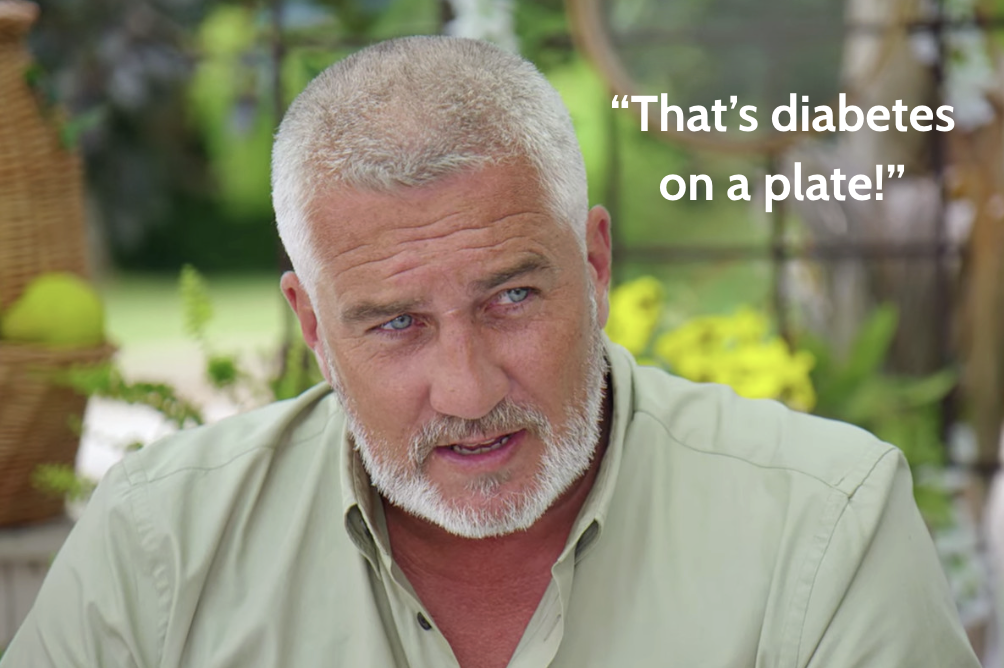
Diabetes stigma has become so normalized in our culture that its hard to fully grasp the extent of its impacts.
The problem.
The diaTribe Foundation, a nonprofit dedicated to education an advocacy for people living with diabetes, knew that to address the diabetes epidemic, we needed big ideas.
From 2016-2022, the organization ran a series of annual meetings, convening leaders from every corner of the diabetes ecosystem. Through these workshops, the participants set out to identify the greatest barriers to progress in the diabetes field. One barrier that stubbornly and consistently stood in the way of major advancements and breakthroughs was diabetes stigma.
Nearly 80% of adults living with diabetes report experiencing negative social judgments, stereotypes, and prejudice – day in and day out. This stigma impacts not only the mental and emotional well-being of those living with diabetes, but also their physical health, reducing the ability to effectively manage their condition. On top of that, it obstructs vital awareness and prevention efforts that could help those at risk as well.
In 2019, diaTribe committed to addressing diabetes stigma as a core pillar of its work. In 2020, I joined diaTribe and was tasked with building the infrastructure and communications strategy to support these efforts.
The idea.
The first step was to immerse ourselves in the research literature on diabetes stigma. A clear gap was evident: addressing diabetes stigma was currently an essential missing element of effective diabetes care.
In addition, we sought to understand the challenges and opportunities presented by other anti-stigma movements. Whether focused on addressing the stigma associated with substance use, mental health conditions, or HIV/AIDS, we learned quickly that eliminating this destructive force would require diverse solutions from a wide range of stakeholders.
But if those stakeholders did not have a trusted, centralized hub for gathering information and connecting with other peers doing this work around the world, we would continue working in silos.
By the end of 2021, we decided that developing this hub of information on diabetes stigma was crucial to consolidating and organizing the disparate advocacy efforts. Equally as important, it would help establish a shared language and clear talking points to guide the budding movement’s messaging.
Thus, dStigmatize.org was born.
Working in a small team, we developed the first iteration of the website. Pulling inspiration from other notable anti-stigma materials we honed our messaging and resources to include both scientific data and compelling, emotional stories. Through press releases, earned media, social media campaigns, and paid marketing, we came up with a strategic plan to market and socialize the campaign upon its launch, generating interest in a topic that was relatively unknown but that had wide-reaching negative impacts.
Whether visitors are looking to learn what diabetes stigma is, discover how stigma impacts real people, or take action to help reduce stigma, the dStigmatize.org website is a useful tool for annoying seeking to be involved in the movement – regardless of their prior knowledge of the topic or how much influence they have.
Though there is still a long way to go before we see measurable reductions in bias towards people living with diabetes, in the aftermath of the launch of dStigmatize.org, we began to see the impact of our work almost immediately.
The impact.
Measuring broad cultural change can be difficult, especially when you’re looking at relatively short timelines. However, we know the launch of dStigmatize has helped activate a global movement to end diabetes stigma and elevated diaTribe’s role as a leader with invaluable subject matter expertise.
What began as the launch of a small website, a static hub of information, quickly grew into a full-fledged and well-funded program with multiple work streams and partnerships with leading advocates, researchers, healthcare professionals, and diabetes organizations.
Notable accomplishments have included:
- Our dStigmatize Language Guide, which provides communication guidance and associated healthcare professional resources have become some of the most cited examples of stigma-free diabetes care recommendations.
- We have helped conceive research studies and author publications to better understand the drivers, facilitators, manifestations, and impacts of diabetes stigma. This work culminated in a formalized partnership with the Australian Centre for Behavioural Research in Diabetes and a landmark international consensus publication “Bringing an End to Diabetes Stigma and Discrimination: An International Consensus Statement on Evidence and Recommendations.“
- Since its launch, our organic and paid marketing and socialization efforts for dStigmatize have resulted in over 100,000 website visitors, a particular accomplishment given the relatively low search volume and public awareness of diabetes stigma.
 Matthew Garza